
Food that carries you, meal by meal.
Your chef cooks in the house, from the kitchen garden and the farms of the Cape, and plans every menu around your recovery. Meals come when you want them, and where.
From the kitchen
Recovery asks a great deal of the body, and the kitchen is there to give some of it back. Menus change as the weeks go on, following your clinical brief and whatever the garden has ready. The cooking is kept simple on purpose: a ripe fig, a soft-boiled egg, beetroot lifted that morning. Eaten slowly, a plate like that can be where the pleasure starts to come back.
-
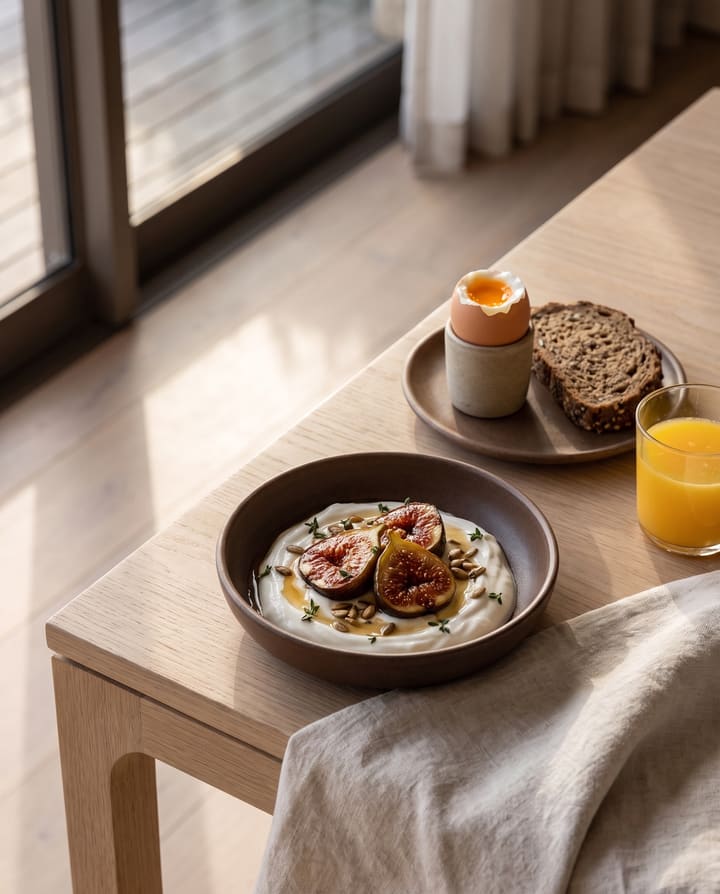
BreakfastYoghurt, roasted figs and honey; a soft-boiled egg and seeded bread.
-
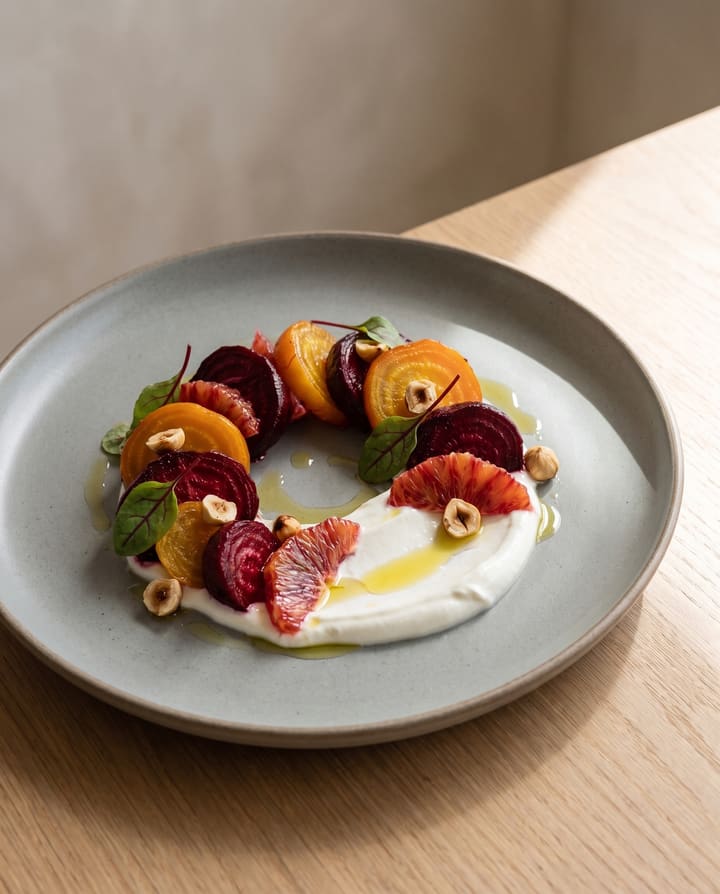
From the gardenRoasted beetroot, labneh, blood orange and hazelnut.
-
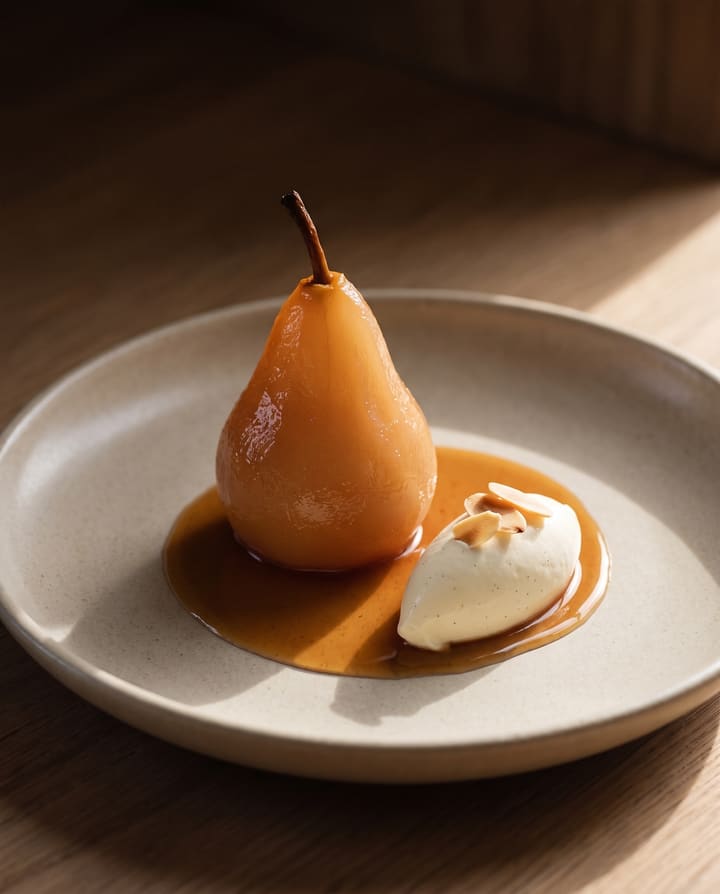
Something sweetPear poached in rooibos, with vanilla cream.


Wherever suits the day
Lunch is often laid in the shade of your terrace, and dinner by the fire or in your room. Meals come at the hour you choose, for you, or for your family when they are with you. Nobody hurries you from the table.

The kitchen garden
Raised beds of chard, fennel, lettuce and beetroot grow inside a sandstone wall, planted through the year. Most mornings the kitchen picks what it needs for the day, so much of what you eat was in the ground a few hours earlier. Over a stay you begin to eat by the Cape’s seasons, and to know the land by what it grows.
Food and your care
Your chef works from the same brief as your clinicians, so the food is part of your care rather than a break from it. If your program calls for a particular way of eating, the kitchen cooks to it. If it doesn’t, you eat what you enjoy. Allergies, dislikes and dietary needs are noted before the first meal.
Between meals
Rooibos with orange peel and a sprig from the garden, fresh juice, cold water. Ask, and it comes to you.
